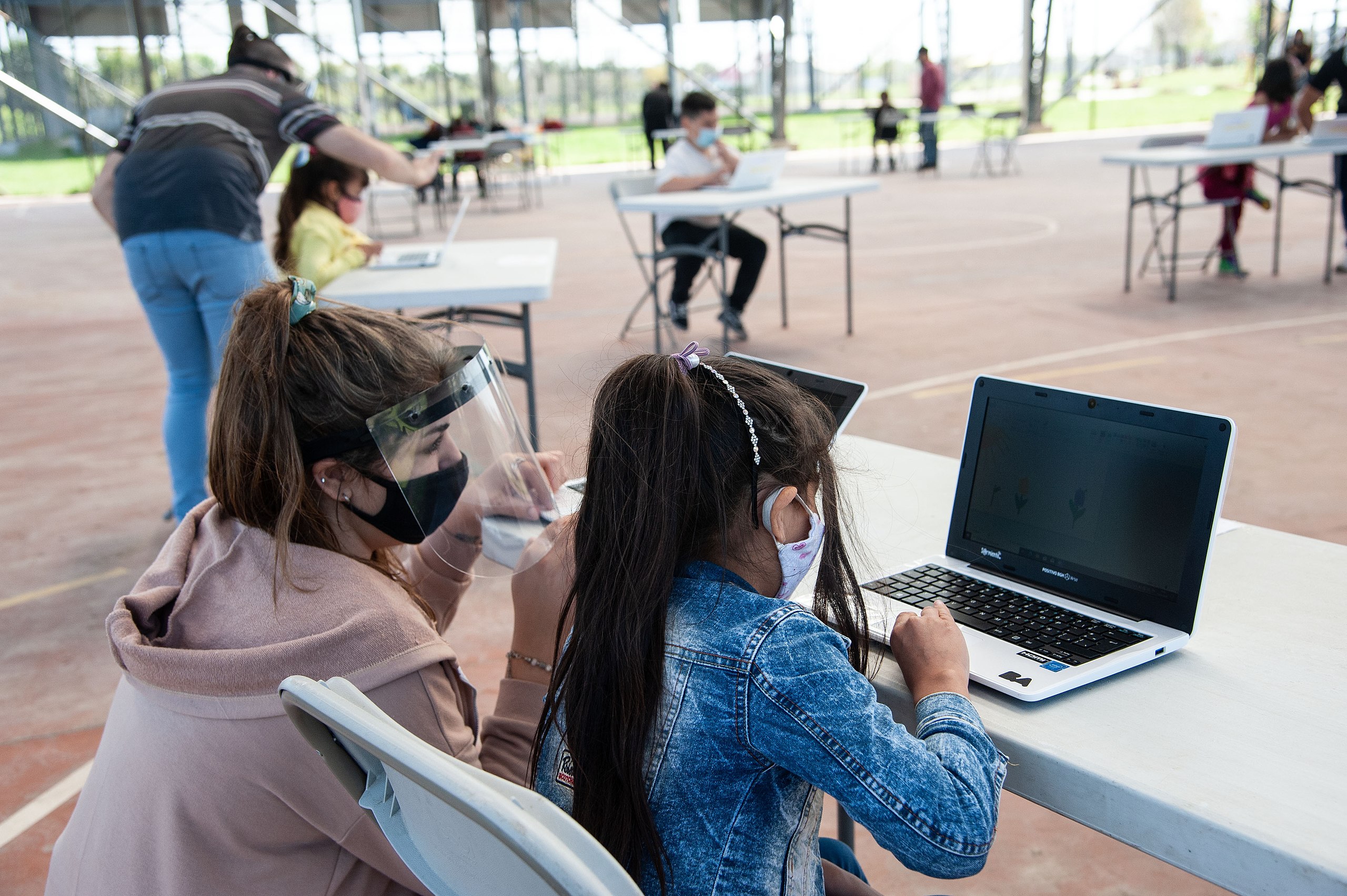
One year ago, the World Health Organization declared the spread of COVID-19 a worldwide pandemic. Reacting to the virus, schools at every level were sent scrambling. Institutions across the world switched to virtual learning, with teachers, students, and local leaders quickly adapting to an entirely new way of life. A year later, schools are beginning to reopen, the $1.9 trillion stimulus bill has been passed, and a sense of normalcy seems to finally be in view; in President Joe Biden’s speech last night, he spoke of “finding light in the darkness.” But it’s safe to say that COVID-19 will end up changing education forever, casting a critical light on everything from equity issues to ed tech to school financing.
Below, Brookings experts examine how the pandemic upended the education landscape in the past year, what it’s taught us about schooling, and where we go from here.
Daphna Bassok
COVID-19 highlighted the essential role of child care for children, families, and the economy, and our serious underinvestment in the care sector.
In the United States, we tend to focus on the educating roles of public schools, largely ignoring the ways in which schools provide free and essential care for children while their parents work. When COVID-19 shuttered in-person schooling, it eliminated this subsidized child care for many families. It created intense stress for working parents, especially for mothers who left the workforce at a high rate.
The pandemic also highlighted the arbitrary distinction we make between the care and education of elementary school children and children aged 0 to 5. Despite parents having the same need for care, and children learning more in those earliest years than at any other point, public investments in early care and education are woefully insufficient. The child-care sector was hit so incredibly hard by COVID-19. The recent passage of the American Rescue Plan is a meaningful but long-overdue investment, but much more than a one-time infusion of funds is needed. Hopefully, the pandemic represents a turning point in how we invest in the care and education of young children—and, in turn, in families and society.