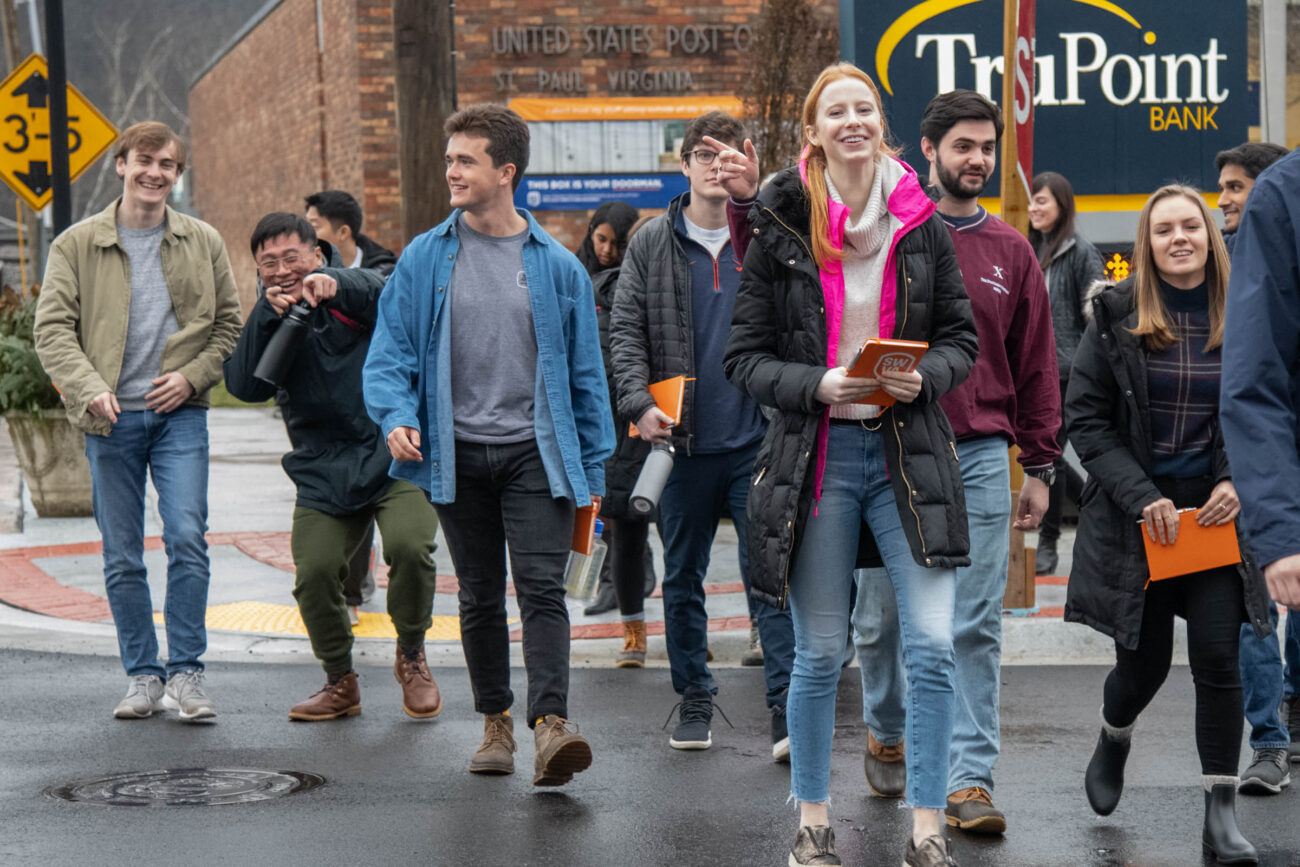
Impact Investing in Action: Appalachia is a January term course that allows students to get a hands-on and immersive experience in the impact investing space. Students have the opportunity to travel around the Appalachian region and learn from impact investors and entrepreneurs that are focusing on the development of their local communities from a social, environmental, and economic perspective. This is one of forty-five elective options for the Social Entrepreneurship Minor, and it is a great class to take for real, hands-on experience in the impact investing space.
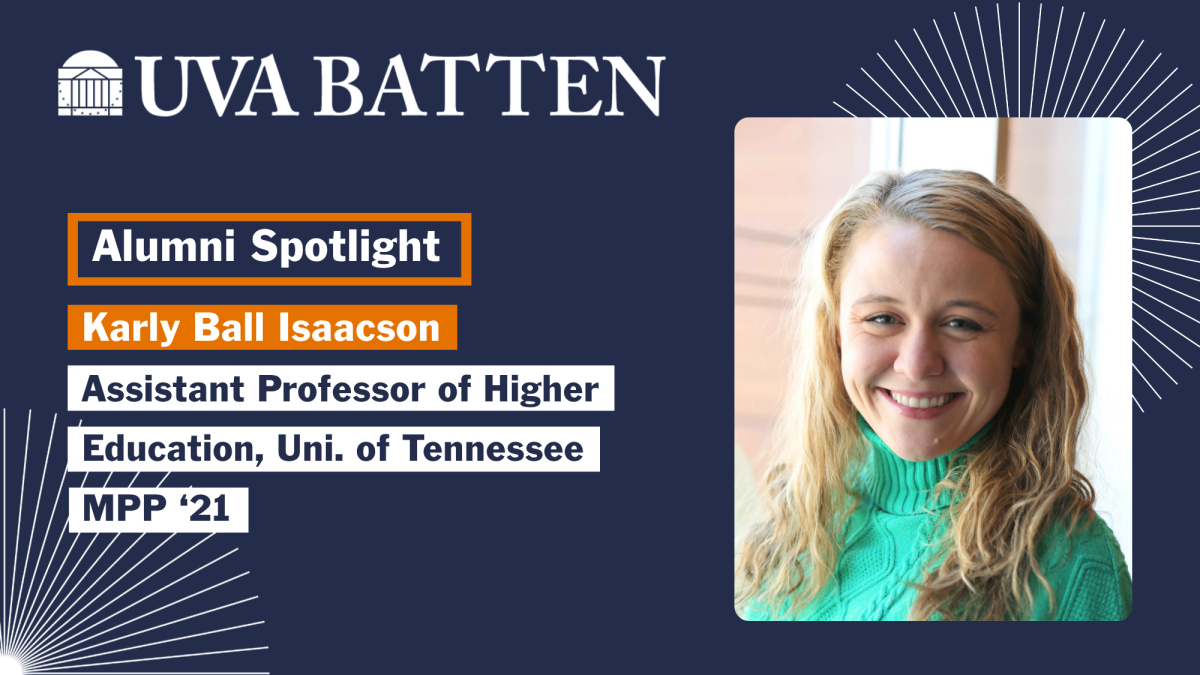
I often get asked in my Open Office Hours to talk a bit more about this course, so I thought I would share my own perspectives for students considering this course. Even though I took the class in 2021 when it was virtual, and I missed the opportunity to travel around Appalachia on a bus, I loved everything about it! We learned important concepts surrounding key players from the top down in the impact investing space, measuring impact and explaining that value in investments, and innovative strategies to solve complex problems. What made the learning experience very meaningful was the hands-on approach to the course. Once we learned about an idea or concept, we would talk with someone who was doing that in that space to understand the potential pitfalls and growth opportunities surrounding new investment opportunities.
Last year, we heard from many key players trying to develop their local communities in southwest Virginia. Some of my favorite speakers included Branden Dennison, the founder of Coalfield Development, and Andrew Crosson, CEO of Impact Appalachia. Both were inspiring entrepreneurs with their dedication to finding solutions to create value in overlooked communities by using local community members and innovative financial tools. To create this level of successful change in Appalachia, both entrepreneurs used catalytic capital, high risk investments in these communities to open up the bottlenecked financial pipeline for development. These are just two of over fifteen investors and social entrepreneurs that we were able to speak to our class on a variety of issues related to the region.
After learning these initial concepts from readings, lectures, and speakers, we applied our new skills in projects, flexing both our creative and analytical skills. For example, we each had to develop an investment strategy to deploy $2.5 million for developing a community within the Appalachian region. We had to choose what stage of the investment cycle we would enter, what type of projects or people to invest in, and how we would measure the impact that we created. Because of the breadth of information we learned in the class, it ultimately pushed everyone to come up with successful strategies across a wide variety of endeavors. At the end of the class, we had the opportunity to present our final projects to some of the guest speakers, and it was very rewarding to hear from people who are currently working in that space about how some of our strategies could be adapted to their work.
Overall, it is a fantastic opportunity to get a holistic understanding of the ecosystem of impact investing and strategies on how to use capital to reach communities that are often overlooked. This class requires no prerequisites and welcomes students of all academic backgrounds. I cannot speak more highly on this class and the real, hands-on lessons gained from the class, and I am jealous of anyone who is able to go this year in person! If you are interested in the course, you can schedule a time to meet with me here. Additionally, the Tadler Fellowship is available for anyone interested in the course to cover expenses of the J-term tuition, and applications for this fellowship close on November 4.